







Search Results for: Indonesian G1
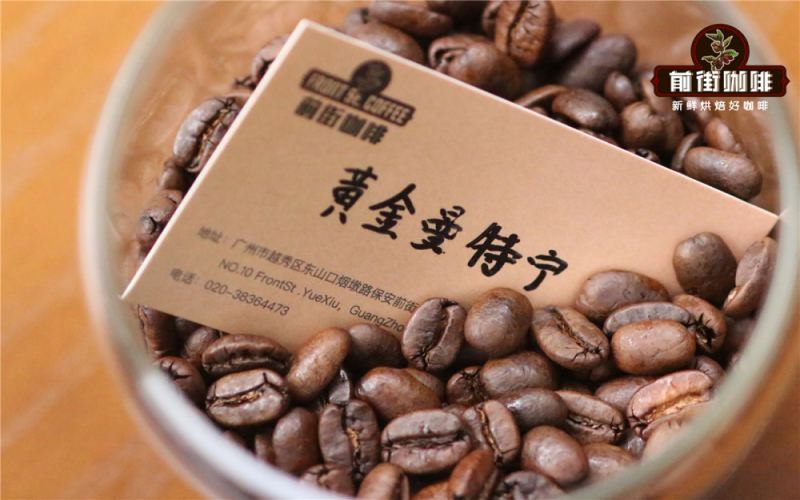
An Analysis of the Mandheling Coffee Bean Grading System: The Differences Between PWN Golden Mandheling and G1 Grade
Mandheling coffee is deeply favored by enthusiasts for its rich and full-bodied taste, but do you know the grading standards for Indonesian coffee beans? What exactly are the differences between PWN Golden Mandheling and regular G1 Mandheling? This article will provide a detailed introduction to the grading system for Indonesian green coffee beans, analyzing the grade standards from G1 to G6 based on defect rates, screen sizes, and other dimensions, and will delve into how PWN company creates its uniquely distinctive Golden Mandheling through strict screening processes. At the same time, Front Street Coffee will share brewing suggestions for Golden Mandheling to help you better savor this high-quality coffee with regional character. [more…]
A Detailed Guide to Indonesian Coffee Regions, Varieties, and Grades: Flavor and Taste Characteristics of Mandheling G1 Coffee Beans
Indonesia, known as the "Country of a Thousand Islands," is also one of the world's important coffee-producing countries. From the Dutch first introducing coffee seedlings in 1696, to becoming the world's largest coffee exporter in the 18th century, and then to the rise of Robusta after leaf rust dealt a severe blow, Indonesian coffee has gone through a tumultuous history. Today, the distinctive coffee-producing regions on islands such as Java, Sumatra, Sulawesi, Bali, Flores, and Timor together form the diverse landscape of Indonesian coffee. Among them, Sumatra's Mandheling coffee is renowned worldwide for its mellow, rich flavor, while G1 grade represents the high-quality standard in Indonesia's coffee bean grading system. This article will guide you through a systematic understanding of the history of Indonesian coffee cultivation, the distribution of major producing regions, and the classification of varieties and grades, and will also provide an in-depth analysis of the flavor and taste characteristics of Mandheling G1 coffee beans, making it suitable for every coffee-loving reader to savor carefully. [more…]
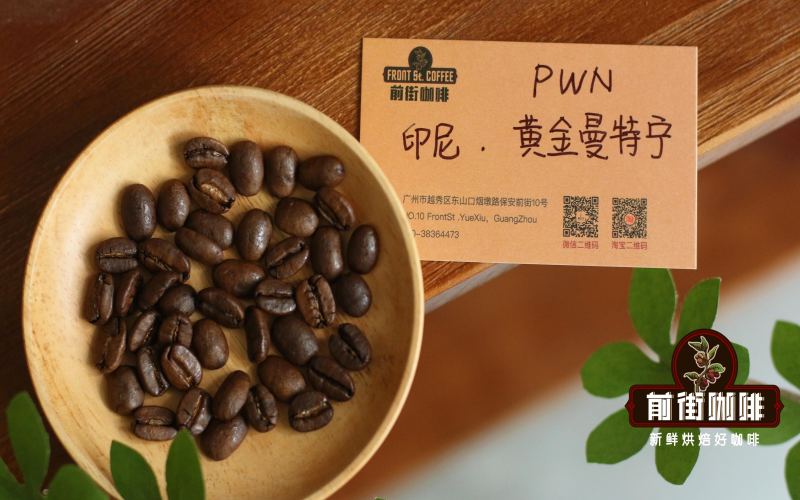
A Detailed Explanation of the Indonesian Golden Mandheling Grading System: G1 Standards, PWN Four-Time Hand Sorting, and a Guide to Avoiding Pitfalls When Buying
Mandheling is the calling card of Indonesian coffee, and Golden Mandheling is its premium representative. However, with the market flooded by a chaotic mix of Mandheling products, distinguishing the authentic from the fake and understanding the grading logic has become a source of confusion for many coffee enthusiasts. Starting from the regional characteristics of Front Street Coffee's Golden Mandheling, this article sorts through Indonesia's G1 grading system, which classifies beans by defect count, analyzes the rigorous four-round manual sorting standards of the PWN company, and introduces the reasoning behind its shift from Typica to Catimor varieties. At the same time, the article compiles three key pitfalls to avoid when buying Mandheling, helping readers make more rational judgments amid a dazzling array of products. [more…]
How Are Indonesian Coffee Bean Grades Classified? G1 and G2 Standards and Key Points for Choosing Golden Mandheling
The price of Indonesian coffee beans largely depends on their green bean grading system. G1 and G2 are common grade indicators, and G1 is often further subdivided based on whether it has undergone multiple rounds of hand sorting. Starting from the flavor characteristics of Mandheling and the wet-hulling process, this article systematically introduces the differences between coffee from two well-known Sumatran origins—Lake Tawar in Aceh and Lintong in Lake Toba—and focuses on analyzing PWN company's Golden Mandheling trademark registration, G1 grade, 18+ screen size specification, and triple hand-sorting standard. At the same time, Front Street Coffee shares the cupping performance and brewing parameters of Golden Mandheling to help readers understand the basis for judging the quality and price of Indonesian coffee beans. [more…]
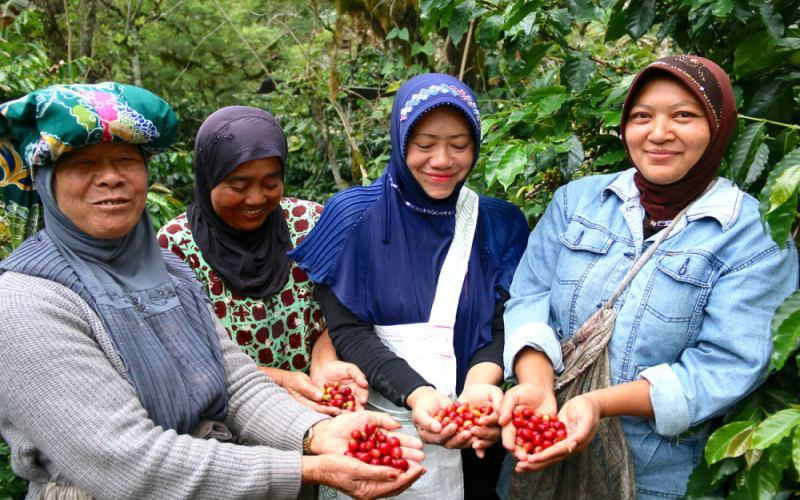
How to Choose Mandheling Coffee Beans? A Full Analysis of the Flavor Grades of Indonesian G1 and PWN Golden Mandheling
Mandheling is one of the most recognizable coffees from the Sumatra region, and its rich dark chocolate base notes and herbal aroma make it especially captivating at medium-dark roasts. With so many Mandheling products on the market, how do you choose the one that is fresh, high quality, and suited to your taste? Starting from the terroir of the region, this article compares two representative coffee beans—Front Street Coffee Indonesia Mandheling G1 and Front Street Coffee PWN Golden Mandheling—and outlines their differences in grade, variety, processing method, and flavor performance, helping coffee lovers find a suitable everyday bean or an upgrade option. [more…]

Does Indonesian Golden Mandheling reach G1 grade? Analyzing why its taste is cleaner than Lintong Mandheling
Indonesia's coffee-growing history dates back to the 17th-century Dutch colonial era, and today Indonesian coffee occupies an important place on the global stage. However, due to historical factors, Indonesia's coffee variety system is exceptionally complex, and few people have an in-depth understanding of its green bean grading system. Front Street Coffee will guide you through Indonesia's coffee quality classification, focusing on answering whether Golden Mandheling belongs to the G1 grade and analyzing why it has a cleaner mouthfeel than Lintong Mandheling. The article will also cover PWN's Golden Mandheling green bean information, Front Street's roasting curve and brewing parameters, as well as detailed flavor descriptions. [more…]
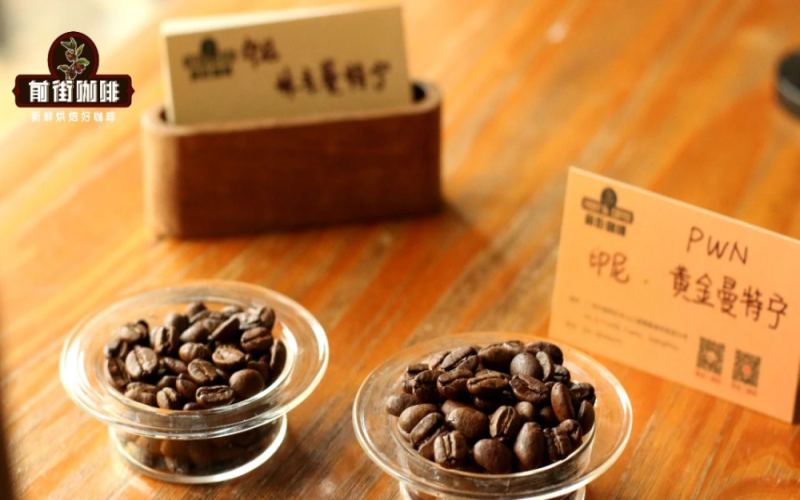
Indonesian Coffee Flavor Analysis | Why Is Mandheling So Bitter? What's the Difference Between Golden Mandheling and G1 Mandheling? Recommended Dark Roast Single-Origin Coffee Beans Every Beginner Must Try?
When it comes to Mandheling, the first impression might be a bitter coffee with a herbal medicine flavor. For those who like this taste, it is very delicious; for those who don't like this coffee flavor, after the first sip, they won't want to drink it again. Of course, you may know about Mandheling coffee, but do you know [more…]
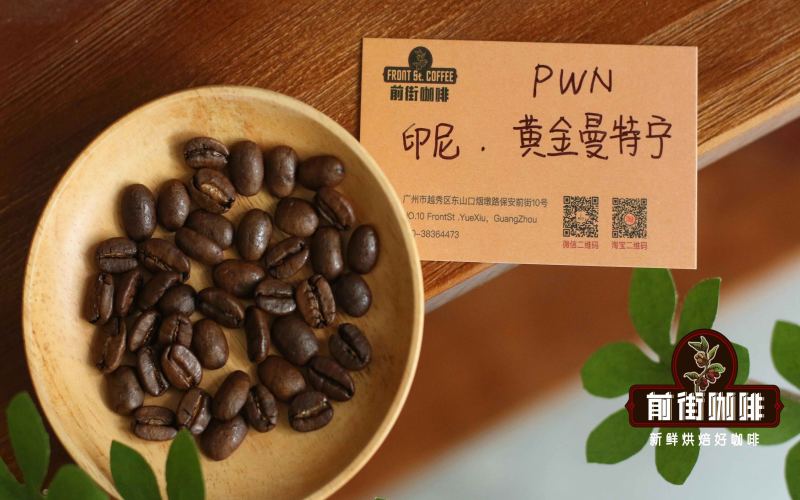
What Exactly Does Golden Mandheling G1 Mean? A Comprehensive Analysis of Its Pour-Over Flavor and Mouthfeel Characteristics
Golden Mandheling is a star product among Indonesian coffees, but many people are not clear about the meaning behind its name. This article starts with the PWN company and sorts out the grading system for Indonesian green coffee beans, including standards such as defect rate, screen size, and number of hand-sorting passes, to help readers understand the true meaning of the G1 grade. It also introduces in detail the flavor performance of Front Street Golden Mandheling—spice, herbal, caramel, nut, and brown sugar aromas interwoven, full-bodied, clean, and richly layered—and explains that it is suitable for a variety of brewing methods such as pour-over, moka pot, and home coffee machine. [more…]
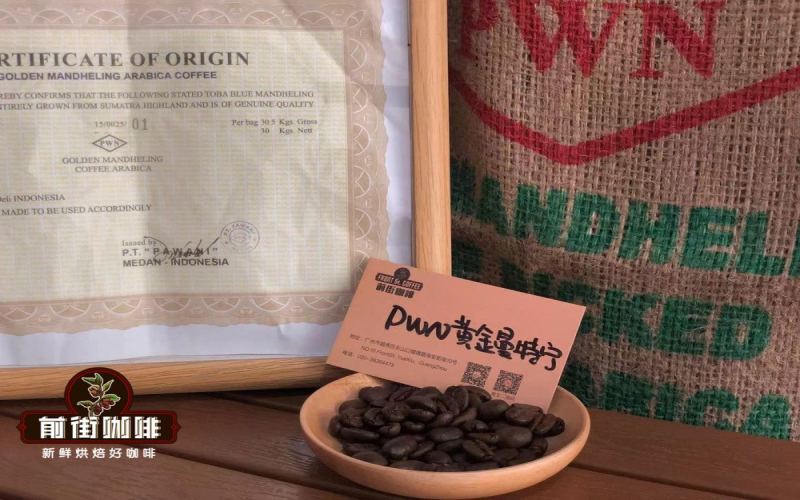
A Detailed Guide to Indonesian Arabica Coffee Bean Grading: G1 and G2 Standards and a Full Analysis of the Mandheling Region
Indonesia is a major coffee-producing country globally, and both Mandheling and Kopi Luwak originate from there. This article systematically reviews the grading system for Indonesian Arabica coffee beans, with a focus on interpreting the criteria for G1 and G2. It also revisits the history of coffee cultivation in Indonesia, the distribution of major producing regions, and the unique wet-hulling process used for Mandheling. The article further introduces the flavor profiles and brewing suggestions for two Indonesian beans from Front Street Coffee, providing coffee enthusiasts with a complete understanding from green bean grading to flavors in the cup. [more…]
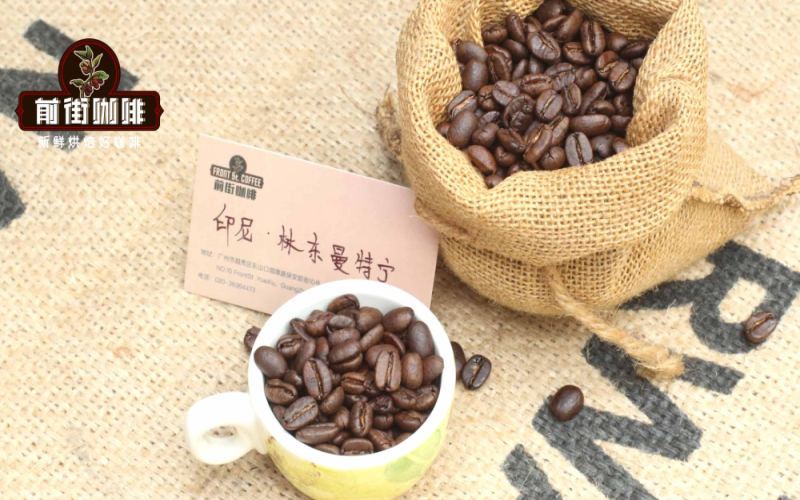
Indonesian PWN Golden Mandheling G1 Washed Bean Pour-Over Guide: Full Analysis of Parameters, Flavor, and Packaging Information
Sumatra Mandheling coffee from the Indonesian island of Sumatra has long been famous for its rich, full-bodied texture, and the Golden Mandheling G1 produced by PWN is a standout among specialty coffees. This article focuses on the current-season Golden Mandheling that arrived at Front Street Coffee in December 2020, explaining one by one Indonesia's coffee grading system and the key information on PWN packaging bags, and provides a pour-over recipe tailored to this medium-dark roasted bean—including dripper choice, grind size, coffee-to-water ratio, water temperature, and the rhythm of staged pouring. Finally, it lays out its flavor profile woven from nuts, chocolate, spices, and caramel, helping coffee lovers brew a clean yet rich cup at home. [more…]
Indonesian Mandheling G1 Grade Meaning and Full Analysis of Origin and Variety: From Grading System to Front Street Coffee Roasting and Brewing Practices
Indonesia is one of Asia's most important coffee-producing countries, yet its coffee variety system and green bean grading standards often leave enthusiasts confused. From the perspective of Front Street Coffee, this article systematically sorts out the historical causes behind the complexity of Indonesian coffee varieties, explains in detail the G1 to G6 grading logic based primarily on defect rate and secondarily on bean size, and extends to the impact of the number of hand-sorting rounds on quality. Using PWN Golden Mandheling as an example, the article interprets each item of information on the packaging label, and also shares Front Street Coffee's roasting curve and KONO dripper brewing parameters, helping readers gain a comprehensive understanding of Mandheling coffee from its place of origin to the cup. [more…]
Mandheling G1 vs. Golden Mandheling: A Comprehensive Comparison of Varieties, Processing Methods, and Brewing Flavors
Mandheling coffee occupies an important place in Indonesia's coffee landscape, yet many enthusiasts are confused about the difference between ordinary Mandheling G1 and Golden Mandheling. This article begins with the origin of the name "Mandheling," sorts out the G1 grading standards and the PWN Golden Mandheling trademark certification system, and then takes a deeper look at the similarities and differences between the two in terms of coffee variety and wet-hulling processing. It also includes Front Street Coffee's roasting approach and brewing parameter recommendations. Whether you want to understand the certification threshold for Golden Mandheling or master the extraction techniques for dark-roasted Mandheling, this article provides detailed reference information. [more…]
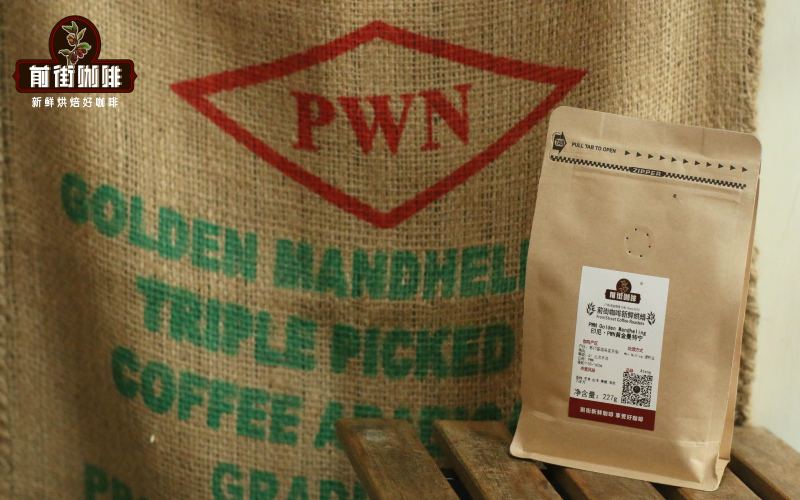
A Complete Guide to Indonesian Coffee Grading: Does Sumatra Golden Mandheling Really Belong to G1?
Indonesia is the world's largest archipelagic nation, and Sumatra, its largest island, produces Mandheling coffee, which occupies an important place in the global coffee landscape. But how does Golden Mandheling, the exclusive signature product of Indonesia's PWN company, differ from ordinary Mandheling? What standards are used to classify Indonesian green beans from G1 to G6? This article will systematically sort through Indonesia's coffee grading system, the varietal origins of Mandheling, the history of the wet-hulled process, and the brewing parameters and flavor performance of Front Street Coffee's Golden Mandheling, giving you a complete understanding of the story behind this coffee bean that is "the ugliest yet the best-tasting." [more…]
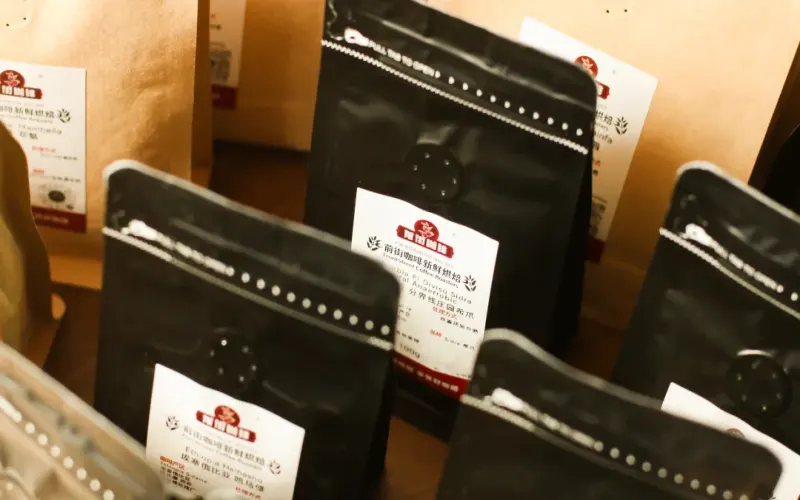
Indonesian PWN Golden Mandheling G1 Washed Beans: Grade Classification, Market Trends, Green Bean Characteristics, and Roasting Recommendations
When it comes to Sumatra Mandheling from Indonesia, many coffee lovers are no strangers to it. The Golden Mandheling G1 washed beans produced by PWN are especially one of the most representative specialty coffees in the Mandheling family. This article centers on this bean, starting with a comparison between Front Street Golden Mandheling and Front Street Mandheling G1, discussing the differences in taste and the breadth of roasting flexibility, then extending to the stylistic differences between Mandheling from Sumatra's two major lake regions—Lake Toba and Lake Tawar—and finally sorting out the naming logic of Mandheling and the origin of PWN Golden Mandheling. Whether you are a beginner just starting out or a seasoned player who wants to understand Mandheling grading and flavor in greater depth, you will find useful references here. [more…]
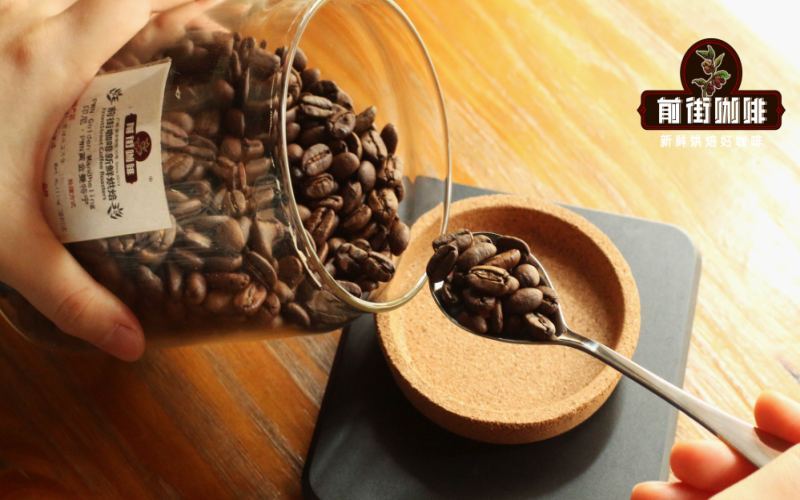
Where Does the Flavor of Indonesian Golden Mandheling Come From? An Analysis of PWN Golden Mandheling Coffee's Grade Standards and Wet-Hulling Process
Golden Mandheling has always been a representative of Indonesian specialty coffee. Its rich body and notes of pine and spice have captivated countless coffee lovers, but why is it so much more expensive than regular Mandheling? This article starts with Front Street Golden Mandheling and first clarifies a key fact—only the Golden Mandheling produced by PWN is authentic. It then provides a detailed explanation of Pawani's background, Indonesia's unique wet-hulling process, the G1 grade and triple hand-sorting quality control standards, and the classic Mandheling flavor brought by dark roasting, giving you a comprehensive understanding of what makes this high-end Indonesian coffee bean so unique. [more…]
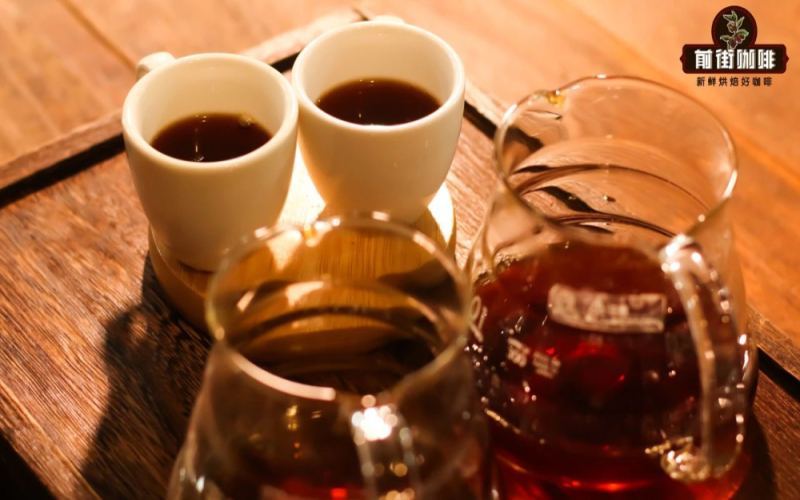
Why is Golden Mandheling more expensive than G1 Mandheling? A complete guide to buying and flavor analysis of Mandheling SOE
Mandheling is often labeled as "heavily bitter, with a medicinal herbal note"—those who love it savor it happily, while those who aren't used to it may be put off after just one cup. But have you ever heard of Golden Mandheling, a higher-grade version than ordinary Mandheling? It comes from the same Sumatra region of Indonesia as G1 Mandheling, yet costs noticeably more—so where exactly is the difference? This article starts with the fun WWII anecdote behind the name Mandheling, then walks through the growing region's altitude, grading system, and the classic flavors brought by the wet-hulling process. It focuses on explaining why Golden Mandheling can be considered the finest among Mandhelings, and compares the differences in sweetness, cleanliness, and body between Front Street Coffee Indonesian Mandheling G1 and Front Street Coffee PWN Golden Mandheling. It also offers extraction suggestions suitable for pour-over, siphon, moka pot, and espresso SOE, helping you look for proper certification when buying and get fresh-roasted, authentic, high-quality beans. [more…]
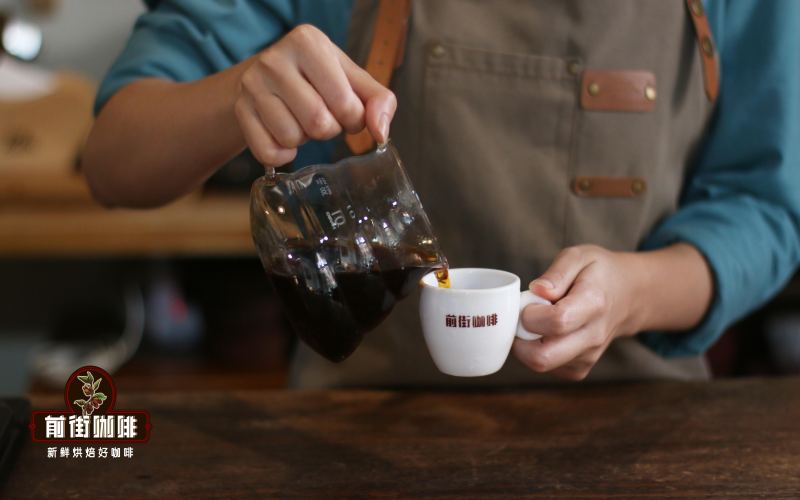
Indonesian Sumatra Golden Mandheling G1 Grade Analysis: Pour-Over Flavor Characteristics and Brewing Tips
Indonesian Mandheling coffee has always won over the taste buds of many seasoned coffee lovers with its solid, full-bodied flavor. Some people mistakenly believe that full-bodied equals bitter, but in fact, once coffee reaches a certain level of body, a sweet aftertaste reminiscent of sucrose or brown sugar emerges in the mouth. The Golden Mandheling produced by Front Street Coffee is a typical example, with rich flavor layers that have reshaped many beginners' understanding of the word "full-bodied." This article will focus on this PWN Golden Mandheling, analyzing it one by one from the producing region background, PWN's screening standards, Indonesia's green bean grading system, the characteristics of the Ateng variety, and the principles of the wet-hulling process, to Front Street's roasting curve recommendations and the three-pour hand-brew parameters for the Kono dripper, along with a complete brewing flavor description, to give you a comprehensive understanding of this Sumatra representative. [more…]
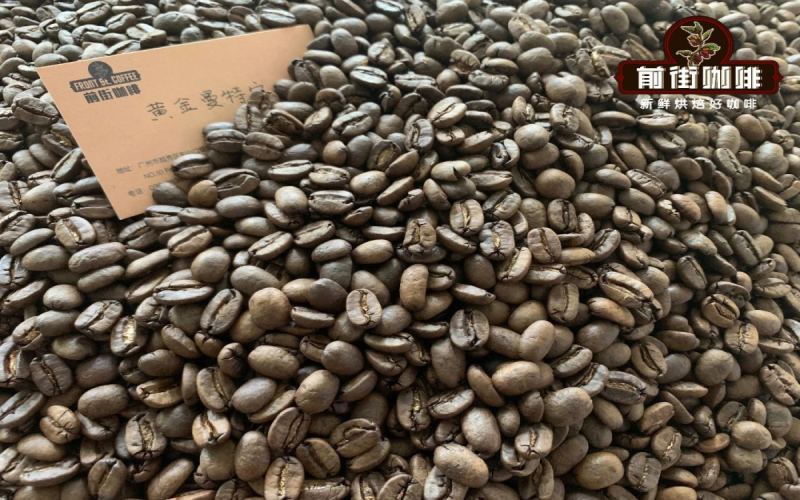
Indonesia Golden Mandheling Buying Guide: Key Points for Identifying from Bean to Cup Flavor
Golden Mandheling is one of Asia's most iconic single-origin coffees, but with so many imitations on the market, how can consumers tell the real thing from the fake? This article starts with the three unique features of Front Street PWN Golden Mandheling, explaining in detail PWN's strict purchasing and screening process, how to identify the registered trademark, and Indonesia's grading standards for Mandheling based on the number of defect beans. It also introduces the product information and flavor characteristics of two Indonesian Mandheling offerings at Front Street, helping coffee lovers master the essentials of identifying Golden Mandheling, from bean size to cupping flavor. [more…]
An Analysis of the Indonesian Coffee Green Bean Grading System: The Characteristics of the Wet-Hulling Process for Mandheling and Key Points for Identifying Golden Mandheling
Mandheling is the most representative variety of Indonesian coffee, and Golden Mandheling is highly sought after for its full-bodied taste and piney spice flavors, with a price noticeably higher than ordinary Mandheling. This article starts with Indonesia's green bean grading standards, analyzes the unique process of wet-hulling, explains in detail the quality control behind the G1 grade and triple hand sorting, and clarifies PWN's exclusive ownership of the Golden Mandheling trademark. At the same time, Front Street Coffee uses PWN Golden Mandheling as an example to share the cup profile under a deep roast, helping readers fully understand the value of this bean. [more…]
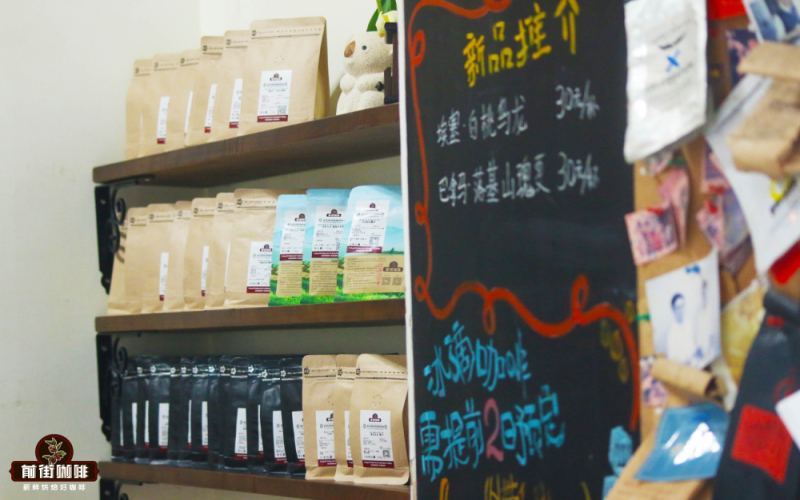
A Complete Analysis of the Grading and Price of Indonesian Golden Mandheling Coffee Beans: PWN Triple Hand-Sorted G1 Grade and 30 Yuan per Cup of Pour-Over
Indonesia is the largest coffee-producing country in Asia, and the Mandheling coffee produced on the island of Sumatra has become the top choice for lovers of bitter-toned coffee thanks to its extremely high body. This article focuses on Front Street Golden Mandheling coffee beans, outlining their origin terroir, the logic of wet-hulling processing, Indonesia's green bean grading system (G1 and Triple Pick), and PWN's multiple screening standards. It also introduces the price of Front Street Golden Mandheling coffee beans at 89 yuan/227 grams and the in-store price of 30 yuan per cup of pour-over, along with KONO dripper three-stage pour-over parameters and flavor description, making it a reference for coffee lovers who favor a rich, full-bodied taste. [more…]